 YESLON Knowledge Base
Electrical Safety
Electrical Safety technical articles: 121 in total.
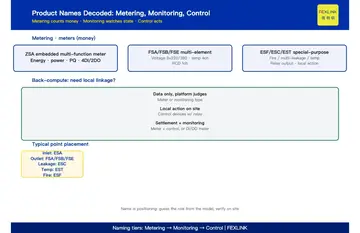
Product Names Decoded
KD-0020
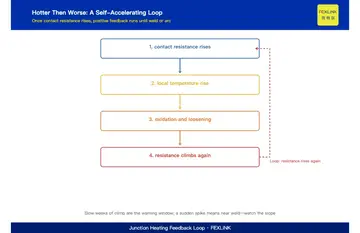
Why Do Low-Voltage Busbar Joints Keep Overheating
KD-0041
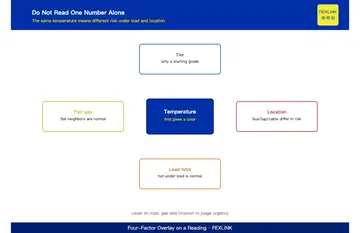
How to Read the 55/65/80/100 C Busbar Temperature Tiers
KD-0042
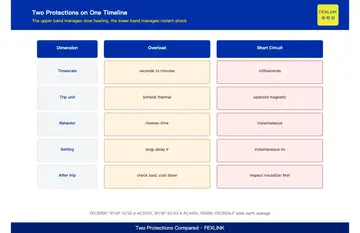
Overload and Short-Circuit Protection Are Not the Same
KD-0043
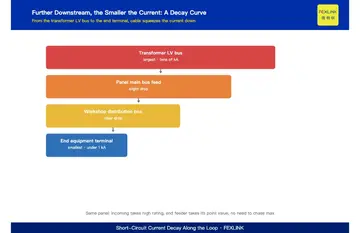
How Prospective Short-Circuit Current Is Calculated
KD-0044
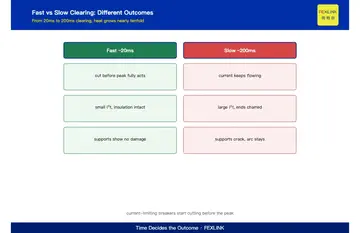
The Few Milliseconds After a Short
KD-0045
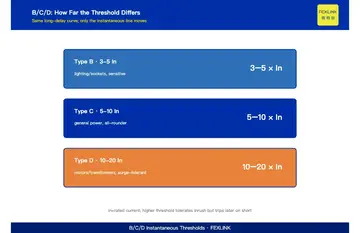
Same 32A
KD-0046
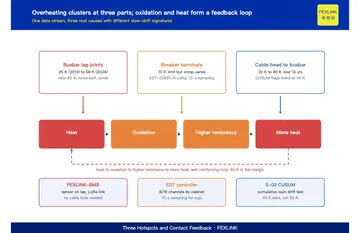
What GB/T 7251 Demands for Temperature Rise
KD-0056
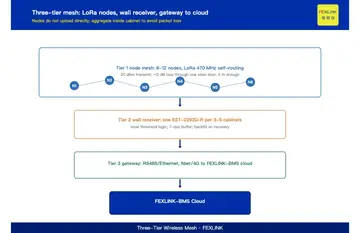
Retrofitting Temperature Sensing into Live LV Panels
KD-0057
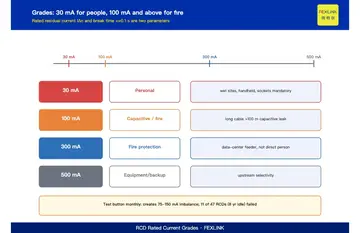
What Actually Trips an RCD When You Press the Test Button
KD-0058
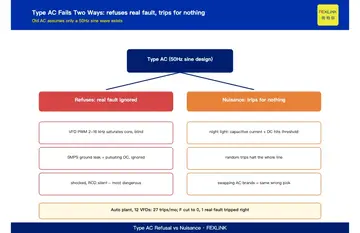
Choosing AC, A, F or B-Type RCDs
KD-0059
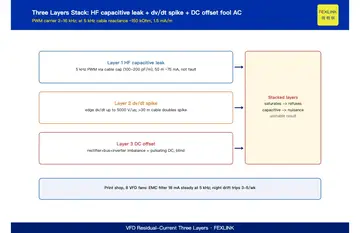
Why VFDs Confound Ordinary RCDs
KD-0060
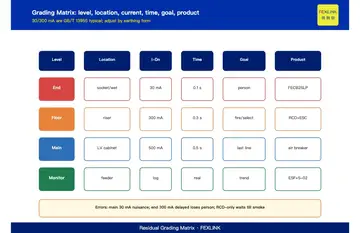
Designing Graded RCD Protection
KD-0061
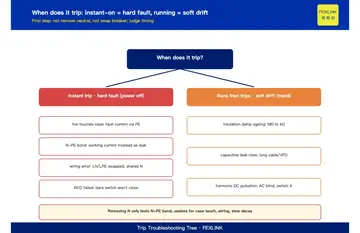
Why the RCD Won't Reset
KD-0062
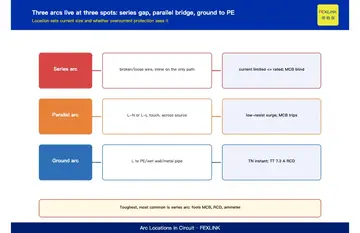
Series, Parallel and Ground Fault Arcs
KD-0063
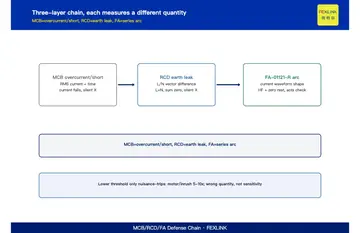
No Overcurrent, Yet a Fire
KD-0064
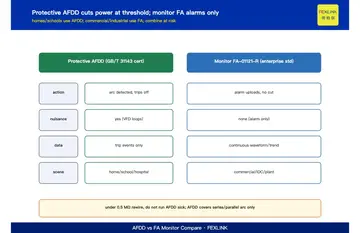
What GB/T 31143 Requires of Arc Fault Detection Devices
KD-0065
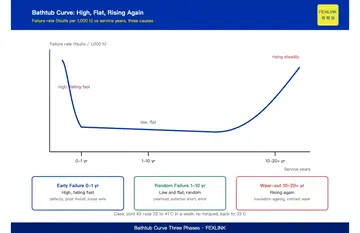
Why Failure Rates Follow a Bathtub Curve
KD-0069
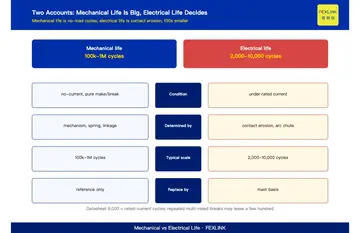
Mechanical vs Electrical Life of a Circuit Breaker
KD-0070
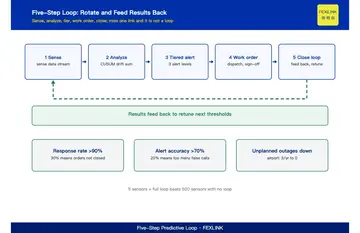
From Time-Series Data to a Maintenance Work Order
KD-0071
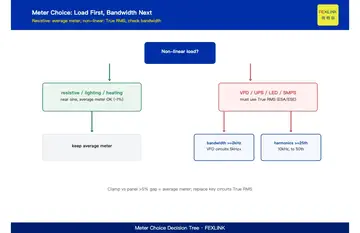
The Current Meter Looks Fine, Yet the Joints Heat Up
KD-0072
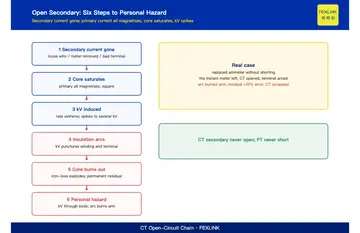
Why a CT Secondary Must Never Be Opened
KD-0073
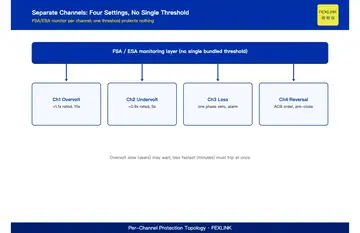
Overvoltage, Undervoltage, Phase Loss and Phase Reversal
KD-0074
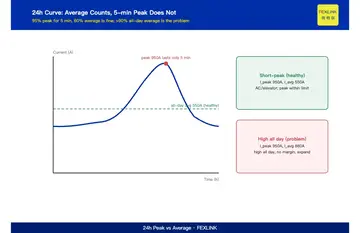
What a Sustained 90% Load Factor Actually Means
KD-0075
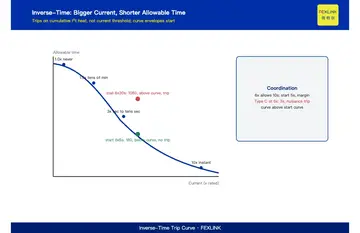
Why a 6× Starting Current Must Not Trip the Motor
KD-0076
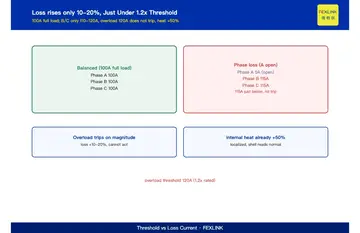
Why Single-Phasing Is More Silent Than Overload
KD-0077
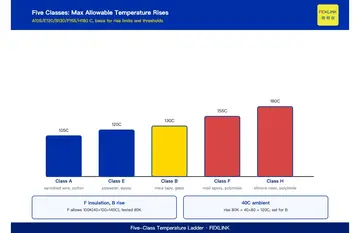
What Insulation Classes A/E/B/F/H Actually Mean
KD-0078
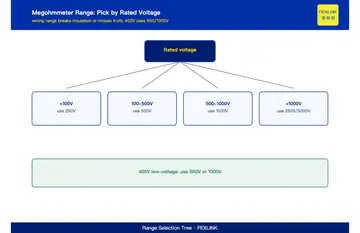
How to Actually Perform an Insulation Resistance Test
KD-0079
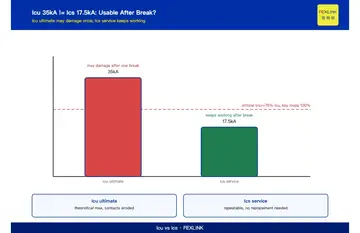
Decoding the Breaker Nameplate Through GB/T 14048.2
KD-0081
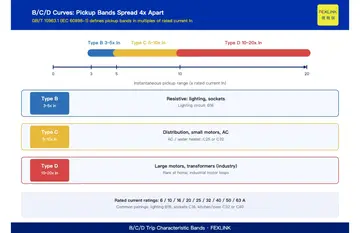
What GB/T 10963.1 Requires of Household Breakers
KD-0082
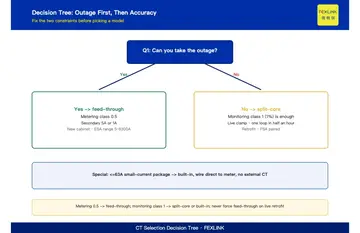
Which Current Sensor Fits Your Circuit
KD-0083
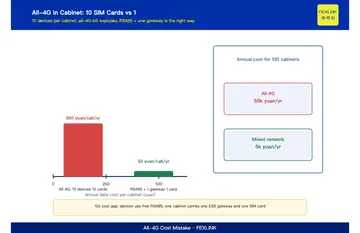
Choosing Power and Comms for Monitoring Devices
KD-0084
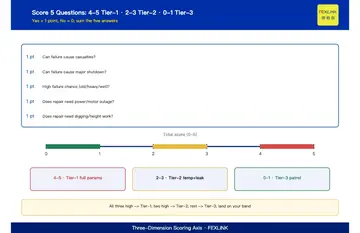
Where to Spend the Monitoring Budget First
KD-0085
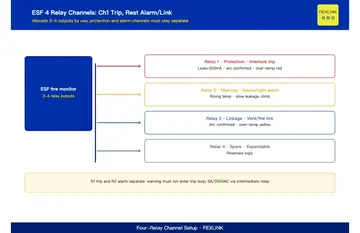
Relay Outputs of Monitoring Devices
KD-0086
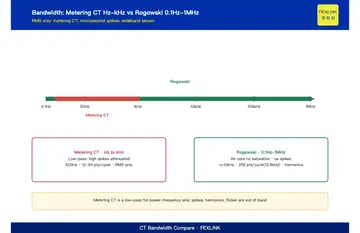
Why Ordinary CTs Miss Transients
KD-0087
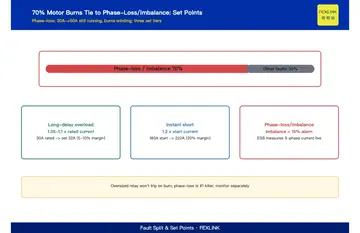
Protecting a Motor Circuit
KD-0088
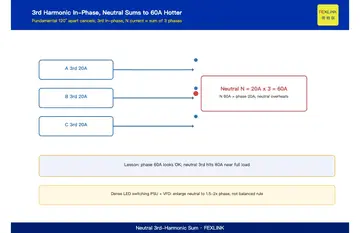
Fundamental Current Is Fine, Yet the Cable Heats Up
KD-0089
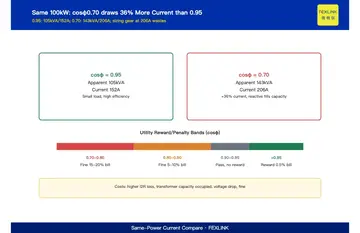
What Power Factor Actually Is
KD-0090
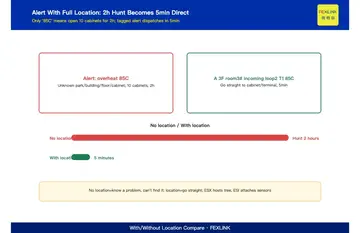
Making Every Alarm Point to the Right Panel and Circuit
KD-0091
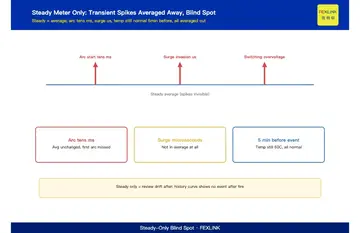
The Instant Steady-State Monitoring Misses
KD-0092
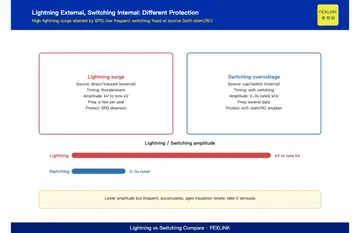
Switching Surges Are Not Lightning
KD-0093
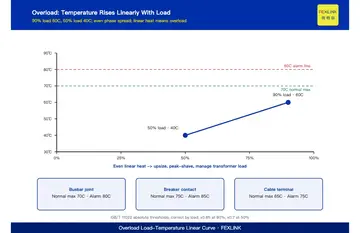
Main Breaker Heats Up Every Peak Load
KD-0094

Migrating from Periodic IR Walkdowns to Online Predictive
KD-0095
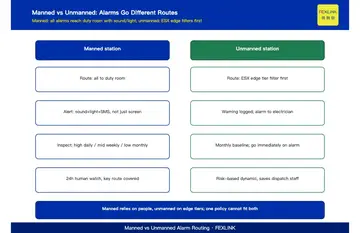
How Online Alarms Should Mesh with On-Duty Rounds
KD-0096
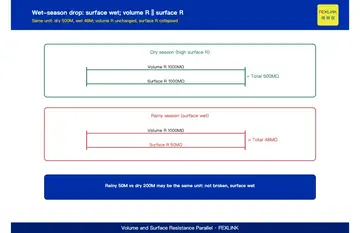
Why Insulation Resistance Drops in Rainy Season
KD-0097
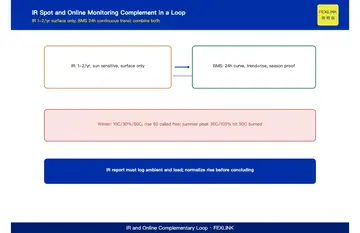
Reading the Same 60℃ in an IR Image
KD-0098
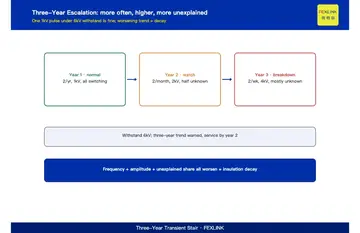
Making Sense of Transient Event Logs
KD-0099
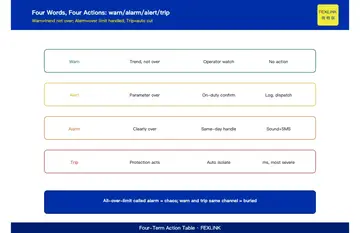
Alarm, Early Warning, Alert and Trip
KD-0100
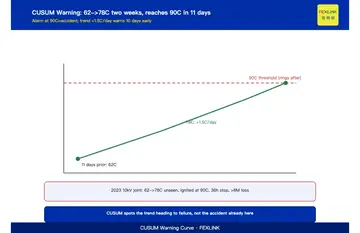
Run-to-Failure, Time-Based Preventive
KD-0101
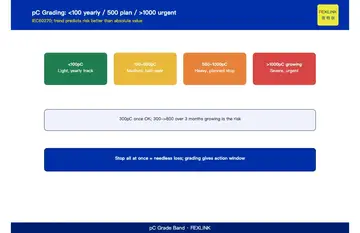
What Is Partial Discharge
KD-0102
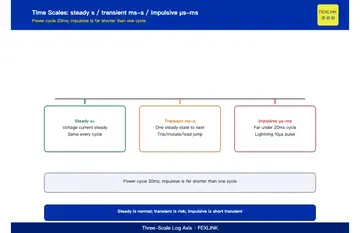
Steady State vs Transient
KD-0103
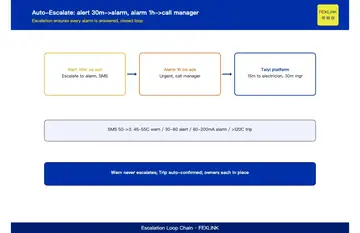
Alarm, Early Warning, Alert, and Trip
KD-0104
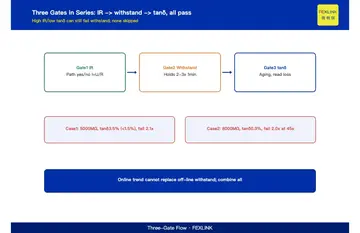
Insulation Resistance, Withstand Test, and Dielectric Loss
KD-0105
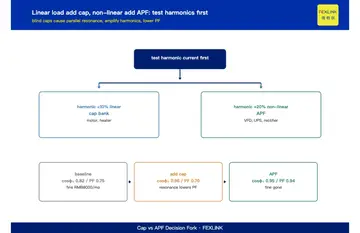
Displacement Power Factor vs True Power Factor
KD-0106
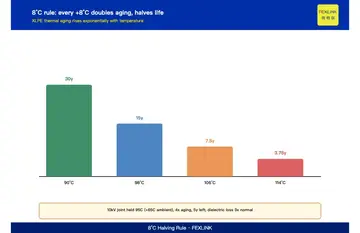
What Actually Determines Cable Life
KD-0107
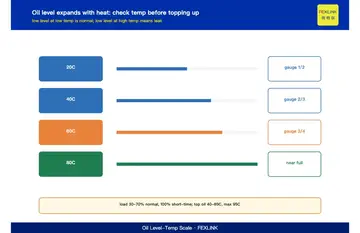
What a Normal Transformer Looks Like
KD-0108
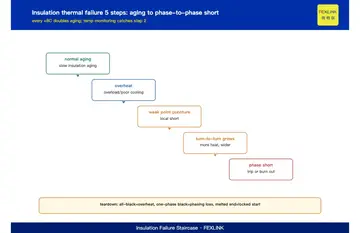
Why Motors Burn Out
KD-0109
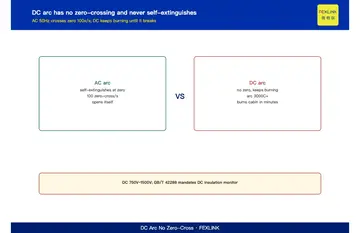
An Electrical Risk Map for Energy Storage
KD-0110
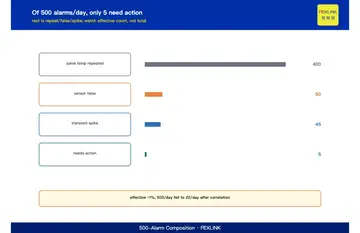
What Is an Alarm Storm
KD-0111
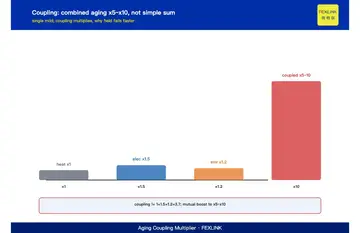
Multi-Factor Insulation Aging
KD-0112
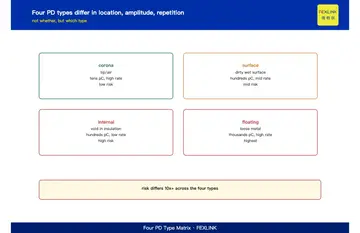
Four Types of Partial Discharge
KD-0113
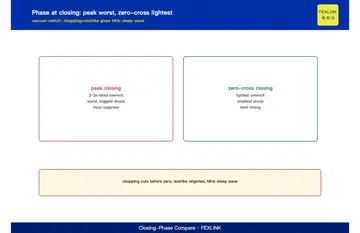
How Switching Capacitor Banks and Vacuum Breakers Create
KD-0114
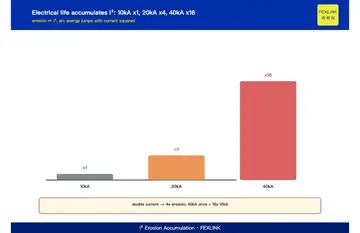
Why Breakers Fail to Trip or Trip Accidentally
KD-0115
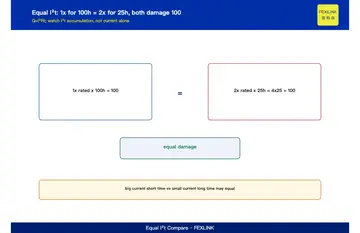
The Motor Thermal Model Behind I²t and Inverse-Time
KD-0116
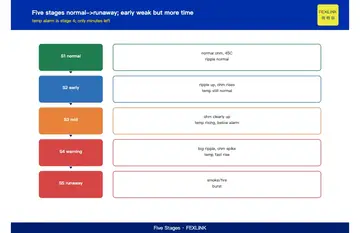
Electrical Precursor Signals of Thermal Runaway
KD-0117
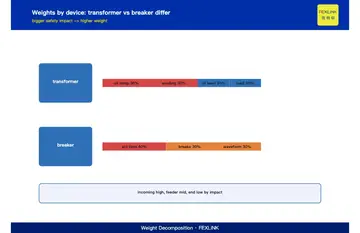
How a Health Score Is Built
KD-0118
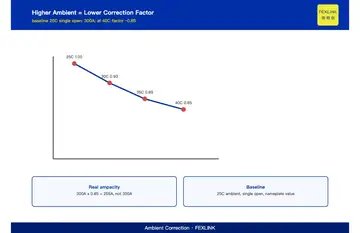
The Thermal Balance Behind Ampacity
KD-0119
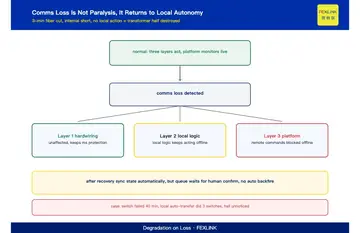
The Physical Layer of Interlocking
KD-0120
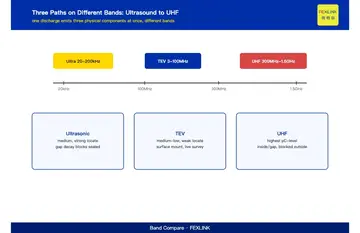
How PD Signals Travel
KD-0121
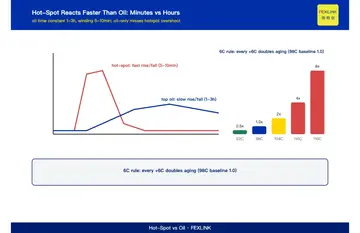
The Transformer Thermal Model
KD-0122
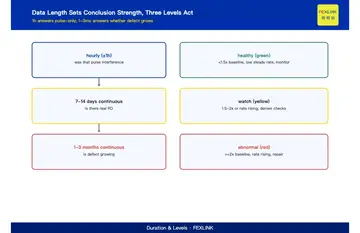
Reading PD Data
KD-0123
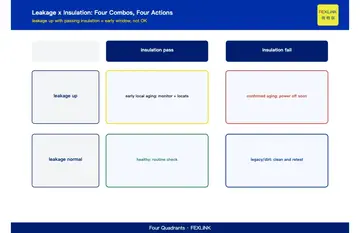
Reading Leakage mA and Insulation Resistance MΩ Side by
KD-0124
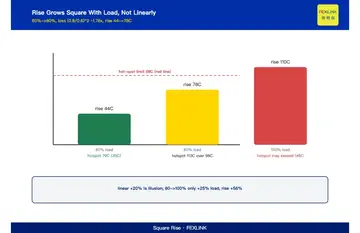
Reading Transformer Loading
KD-0125
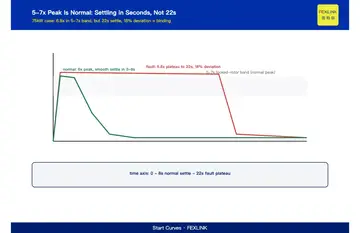
Reading Motor Starting Data
KD-0126
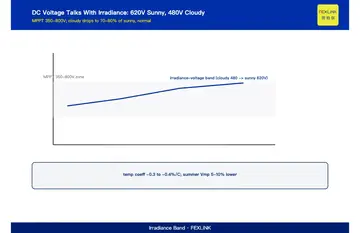
Reading Inverter DC Voltage and AC Power
KD-0127
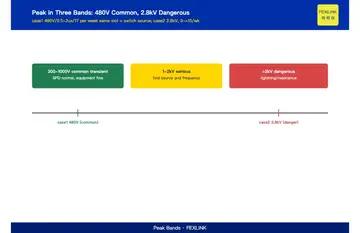
Reading a Surge Event Log
KD-0128
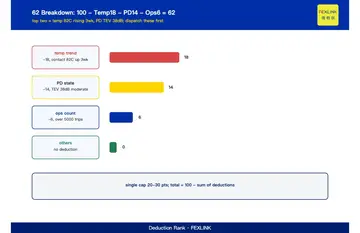
Decomposing a Health Score
KD-0129
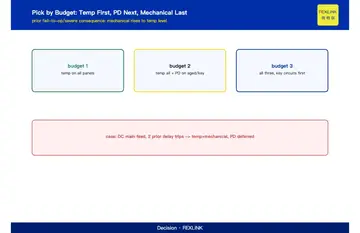
Selecting Switchgear Online Monitoring
KD-0130
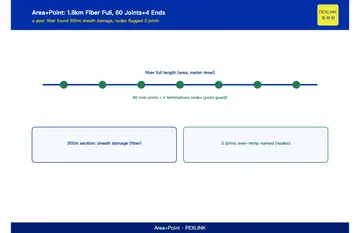
Choosing Cable Temperature Monitoring
KD-0131
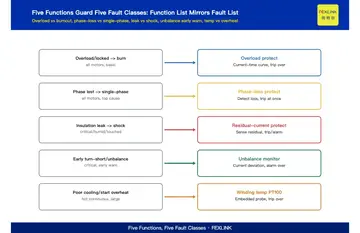
Selecting Motor Protection Relays
KD-0132
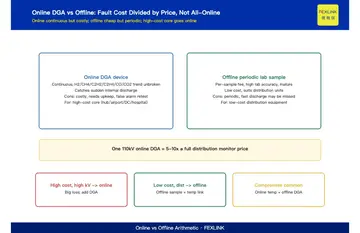
Configuring Transformer Online Monitoring
KD-0133
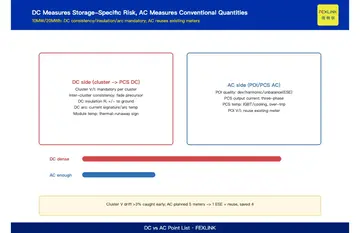
Choosing Measurement Points for an Energy Storage PCS
KD-0134
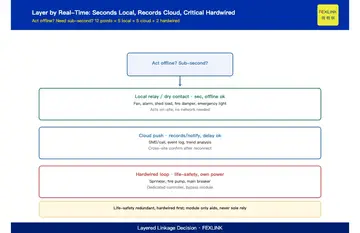
Selecting Alarm Output Modules
KD-0135
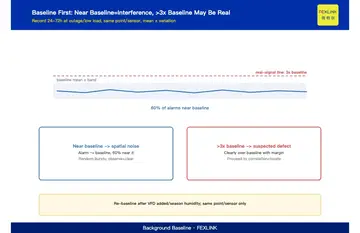
Why Switchgear Keeps Raising PD Alarms
KD-0136
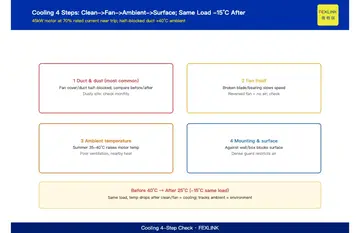
Motor Tripping Below Rated Load
KD-0137
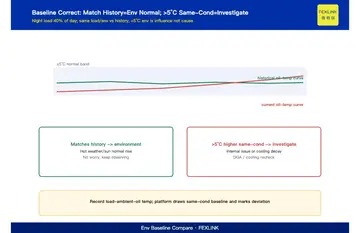
High Transformer Oil Temperature at Low Load
KD-0138
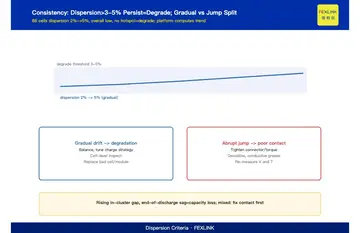
Two Voltage Anomalies in a Month
KD-0139
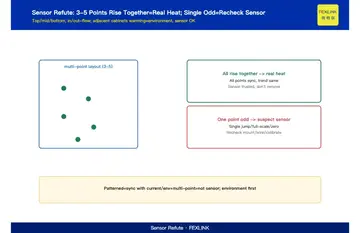
Why a Panel Alarms Every Afternoon
KD-0140
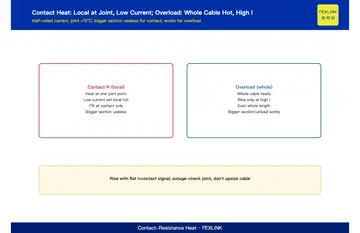
Hot Cable Joint at Low Ampacity
KD-0141
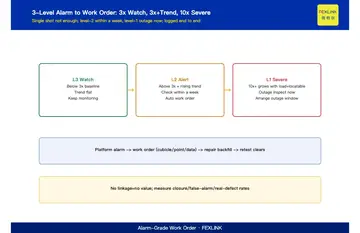
An Online PD Monitoring Solution for 10 kV Switchgear
KD-0142
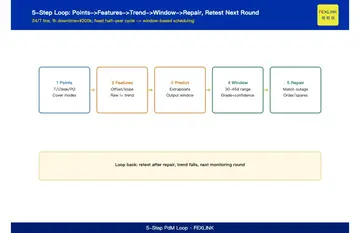
A Predictive Maintenance Solution for Critical Feeders
KD-0143

An Integrated Monitoring Solution for Cable Tunnels
KD-0145
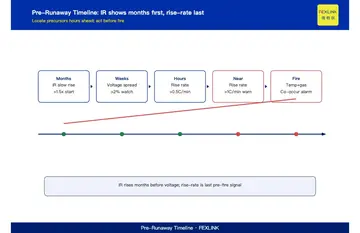
A Three-Layer Electrical Safety Solution for Energy
KD-0146
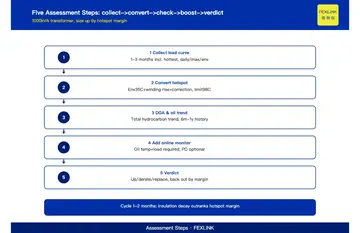
Assessing and Retrofitting Old Transformers Before
KD-0147
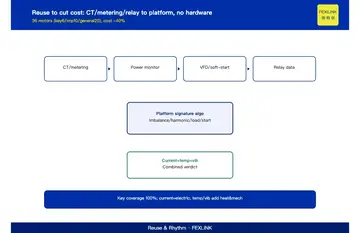
Predictive Maintenance for Motor Banks
KD-0148
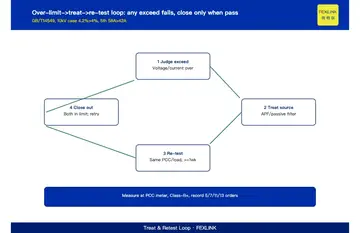
GB/T 14549 on Public-Grid Harmonics
KD-0149
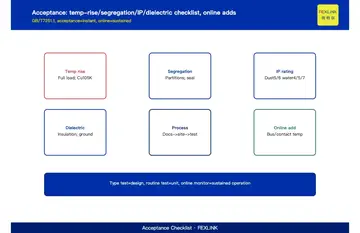
Applying GB/T 7251
KD-0150
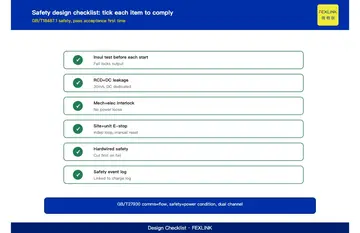
GB/T 18487.1 Explained
KD-0151
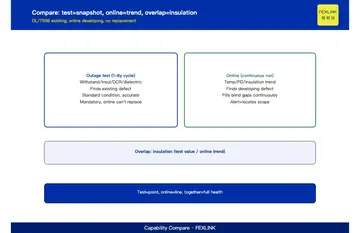
Online Monitoring vs Periodic Preventive Testing
KD-0153
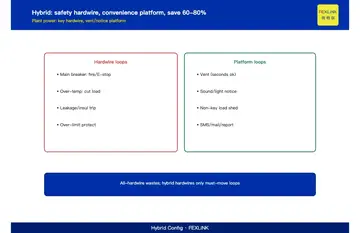
Hardwired Trip vs Remote Platform Alert
KD-0154
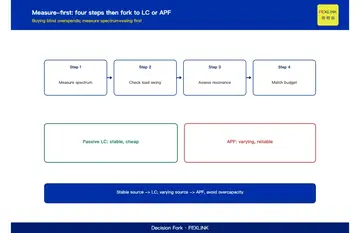
Active Power Filter vs Passive LC Compensation
KD-0155
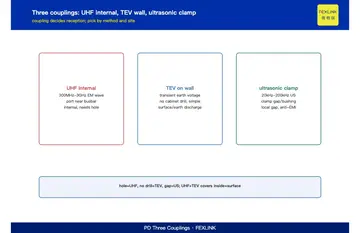
Installing PD Sensors in the Field
KD-0156
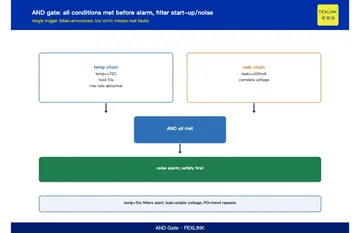
Field Tuning Alarm Thresholds
KD-0157
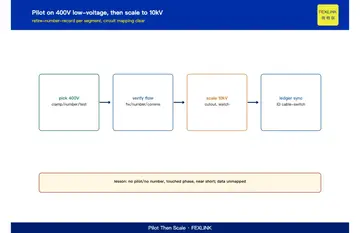
Retrofitting Cable Temperature Monitoring Without Shutdown
KD-0158
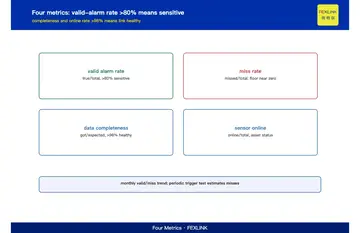
Myths
KD-0159
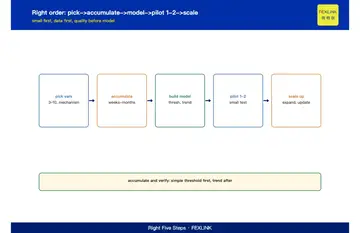
Predictive Maintenance Simply Means Adding More Sensors
KD-0160
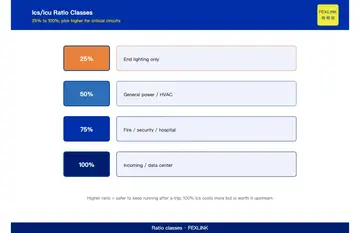
Icu vs Ics
KD-0047
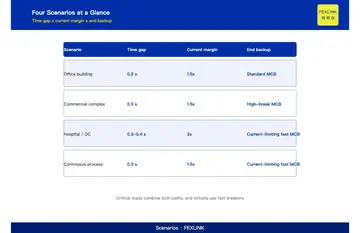
Upstream/Downstream Selectivity: Time vs Current Grading
KD-0049
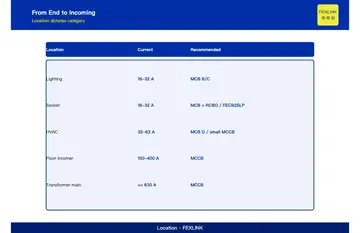
MCB vs MCCB: Three Conditions to Pick the Right Breaker
KD-0050
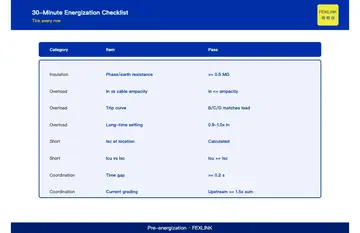
Pre-Energization Checklist
KD-0051
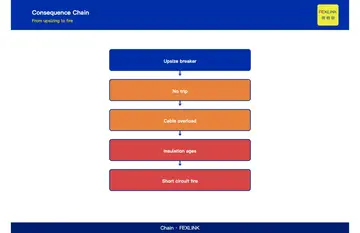
Upsizing the Breaker on Trip: Three Traps
KD-0052
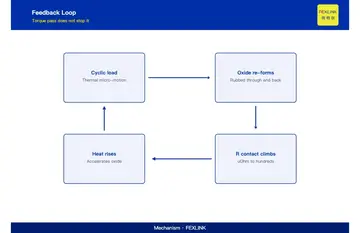
Why Bolted Joints Heat Over Time
KD-0053
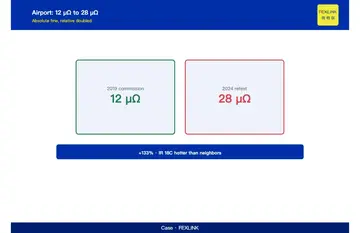
Loop Resistance: Compare to History or Standard?
KD-0055
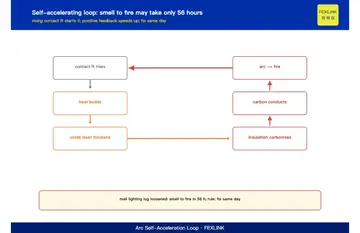
A Burning Smell in the Panel with No Overload or Short
KD-0066
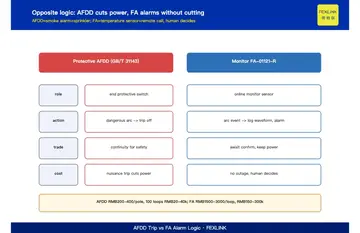
Monitoring-Only Arc Modules vs Tripping AFDDs
KD-0067
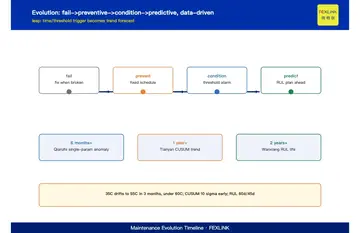
Breakdown, Time-Based
KD-0068
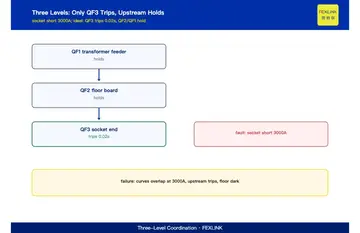
What GB 50054 Says About Selectivity Between Protective
KD-0080
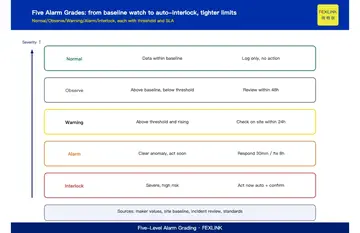
A Multi-Level Alarm and Interlocking Solution
KD-0144
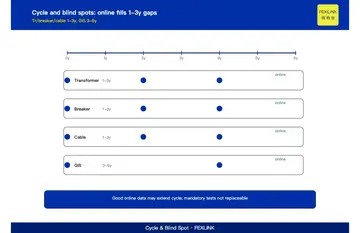
DL/T 596 on Preventive Test Schedules
KD-0152
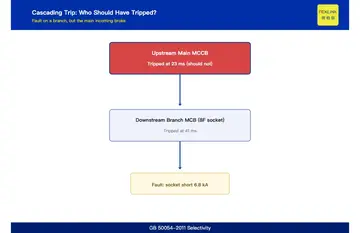
Upstream Trips, Downstream Does Not
KD-0048
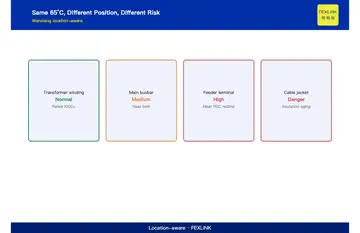
What Is Contact Resistance
KD-0054